








0%
Cargando contenido...

Managing Internal Service Level Agreements (SLAs) Through Collaborative CRM

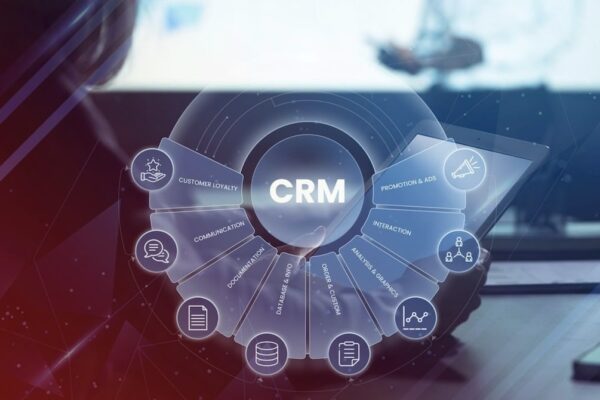
Most CRM users are familiar with external SLAs, the commitments a company makes to its customers about response times, resolution targets, and service availability. A customer expects a reply within four hours. A premium support ticket must be resolved in twenty four hours. These external SLAs are tracked religiously because they directly affect customer satisfaction…

Read More

Managing Internal and External Stakeholders CRM as a Collaboration Platform

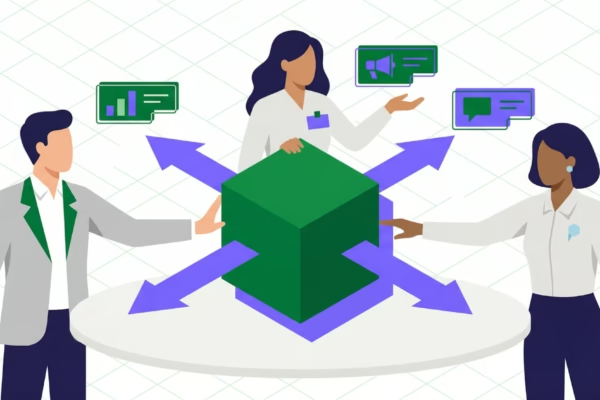
Customer relationships are not managed by a single person or department. Sales reps promise delivery dates. Marketing sends product information. Customer support handles complaints. Finance issues invoices. Product teams gather feedback. Each group interacts with the customer at different touchpoints, but rarely do they share information seamlessly. When these internal stakeholders operate in silos, the…

Read More

Sales Force Automation (SFA)_ Keys to Optimizing the Sales Cycle

Sales Force Automation (SFA) refers to the software tools and strategies designed to automate the repetitive, administrative tasks that traditionally consume a salesperson’s day. These tasks include lead tracking, contact management, activity logging, pipeline visualization, quote generation, and sales forecasting. The primary goal of SFA is simple but powerful: free sales representatives from manual data entry…

Read More

Mapping Influencers and Brand Advocates Using Social Listening Algorithms

Every brand wants to identify individuals who have outsized impact on their reputation, reach, and revenue. Traditional influencer identification relies on vanity metrics: follower count, likes per post, or engagement rate. A celebrity with ten million followers commands high fees but may drive no measurable business results. A micro influencer with ten thousand loyal followers…

Read More

Shared Knowledge Bases Wikis and FAQs Integrated into CRM

Customer service agents answer the same questions repeatedly. “How do I reset my password?” “What is your return policy?” “Does the product integrate with Salesforce?” Each time, the agent either remembers the answer, searches an external wiki, or asks a colleague. Sales reps face similar repetition: prospects ask the same technical questions, pricing queries, and…

Read More

Integrating CRM with ERP and Legacy Systems Challenges and Practical Solutions

Modern businesses run on two critical systems: Customer Relationship Management (CRM) and Enterprise Resource Planning (ERP). The CRM manages front office activities—sales, marketing, customer service. The ERP manages back office operations—order management, inventory, billing, supply chain, human resources, and financials. In theory, these systems should talk to each other seamlessly. In practice, they often operate…

Read More

Sentiment Analysis and Topic Modeling in Surveys and Support Calls

Every day, customer service teams handle hundreds of support calls, chat transcripts, and email threads. Marketing departments receive thousands of open ended survey responses. Product teams collect user feedback from app store reviews and social media comments. This unstructured text contains invaluable insights about customer satisfaction, pain points, and feature requests. Yet most organizations ignore…

Read More