







CRM Explained: How Customer Relationship Management Can Transform Your Business
In today’s competitive digital landscape, businesses are no longer competing only on product or price—they are competing on relationships. The ability to understand customers, anticipate their needs, and deliver personalized experiences has become the real differentiator. This is where CRM, or Customer Relationship Management, plays a crucial role.
What is CRM?
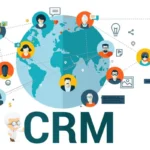
CRM (Customer Relationship Management) is a system and strategy used by businesses to manage interactions with current and potential customers. At its core, CRM helps companies organize customer data, track communications, and streamline sales, marketing, and customer support processes.
A CRM system acts as a centralized hub where all customer information is stored—such as contact details, purchase history, preferences, support tickets, and engagement activity. This allows teams to work smarter, not harder, by having a complete view of every customer interaction.
Why CRM is Important for Modern Businesses
Customers today expect fast, personalized, and seamless experiences. Without a structured system, businesses often struggle with missed opportunities, poor communication, and inconsistent service.
Here are some key reasons CRM is essential:
1. Improved Customer Relationships
CRM helps businesses understand their customers better. By tracking every interaction, companies can tailor their communication and offer solutions that match customer needs more accurately.
2. Increased Sales Efficiency
Sales teams can prioritize leads based on behavior and engagement. This means less time wasted on unqualified leads and more focus on prospects who are ready to buy.
3. Better Customer Retention
It is often cheaper to retain existing customers than to acquire new ones. CRM tools help businesses stay connected with customers through follow-ups, reminders, and personalized offers.
4. Centralized Data Management
Instead of using spreadsheets or multiple tools, CRM systems keep everything in one place. This reduces confusion and improves team collaboration.
5. Automation of Tasks
Modern CRM platforms automate repetitive tasks such as email follow-ups, lead assignment, and reporting. This saves time and reduces human error.
Key Features of a CRM System
Not all CRM systems are the same, but most of them include the following core features:
Contact Management
Stores detailed customer profiles including communication history, preferences, and interactions.
Lead Management
Tracks potential customers from the first point of contact all the way through the sales funnel.
Sales Pipeline Tracking
Provides a visual overview of where each deal stands in the sales process.
Marketing Automation
Helps businesses send targeted emails, campaigns, and promotions based on customer behavior.
Customer Support Tools
Manages support tickets and ensures faster response times to customer inquiries.
Reporting and Analytics
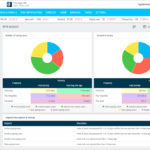
Provides insights into sales performance, customer behavior, and team productivity.
Types of CRM Systems
There are different types of CRM systems depending on business needs:
Operational CRM
Focuses on automating sales, marketing, and customer service processes.
Analytical CRM
Focuses on analyzing customer data to improve decision-making and strategy.
Collaborative CRM
Helps different departments (sales, marketing, support) share customer information more effectively.
Benefits of Using CRM Software
Implementing a CRM system can bring significant advantages to businesses of all sizes:
- Higher conversion rates
- Improved customer satisfaction
- Stronger customer loyalty
- Increased team productivity
- Better forecasting and decision-making
Even small businesses can benefit greatly from CRM tools by organizing their customer data and improving communication workflows.
Who Should Use CRM?
CRM systems are not only for large corporations. They are valuable for:
- Small businesses looking to grow their customer base
- E-commerce stores managing high volumes of customers
- Service-based companies handling client appointments and follow-ups
- Marketing agencies managing multiple clients
- Sales teams working with pipelines and leads
If your business interacts with customers in any way, CRM can help you operate more efficiently.
The Future of CRM
CRM technology continues to evolve rapidly. Modern systems are now integrating artificial intelligence, predictive analytics, and advanced automation to make customer management even more powerful.
In the near future, CRM platforms will not just store data—they will actively suggest actions, predict customer behavior, and automate entire customer journeys.
This shift is turning CRM from a simple management tool into a strategic business intelligence system.
Final Thoughts
CRM is no longer optional—it is a necessity for any business that wants to grow and stay competitive. By centralizing customer data, improving communication, and automating key processes, CRM systems empower businesses to build stronger relationships and increase revenue.
Whether you’re a startup or an established company, investing in a CRM strategy can completely transform the way you understand and serve your customers.


